| Your situation | Option | Key condition | Planning use |
|---|---|---|---|
| An old T-shirt you no longer wear | Cut-rectangle T-shirt mask | About 12 in x 24 in of 100% cotton heavyweight T-shirt; no elastic or ties needed | The best first choice. Nothing to sew or buy, and one piece of fabric makes the whole mask. |
| Only a bandana in the drawer | Folded cotton bandana | Must fit tightly; cotton is the material named in the guidance | A quick fallback when no shirt is spare. Fold it in layers rather than wearing a single thickness. |
| You want an extra filter layer | Coffee filter in a pocket | Only some patterns allow a pocket for a cut coffee filter; the T-shirt design can accommodate a filter | An optional add-on. Choose a pattern that already has a pocket before reaching for a filter. |
| The only fabric on hand is synthetic | Look for another fabric | A tight cotton weave is best; avoid synthetic or polyester | Swap in a cotton shirt or bandana instead of forcing a poor fabric to work. |
Figures and conditions above come from one published no-sew T-shirt pattern and a health-service summary of the CDC recommendation.
A no sew face mask can be made from a cotton T-shirt or a tightly fitting bandana using cuts and folds alone. Choose tight-weave cotton, and remember that a homemade covering mainly protects other people.
For the wider range of projects, start with how to make a face mask at home, which sets this page in context; the options below are the ones that need no needle and thread.
If you have an old T-shirt
A cotton T-shirt is the easiest route into a no-sew mask. The CDC advice, as relayed in a community health-service summary, names a cotton bandana or T-shirt as materials you may already have at home.
The cut-rectangle mask
One published no-sew pattern starts from a single piece of 100% cotton heavyweight T-shirt, about 12 in x 24 in, and requires no elastic or ties. Its adult medium size is 13.5 in high x 7 in wide at full length. The same design can accommodate a filter if you want to add one.
Mark the rectangle on the shirt before you cut so the edges stay straight. Choose a section without printing or heavy seams, and a shirt that feels thick rather than flimsy, because the pattern specifically calls for heavyweight cotton.
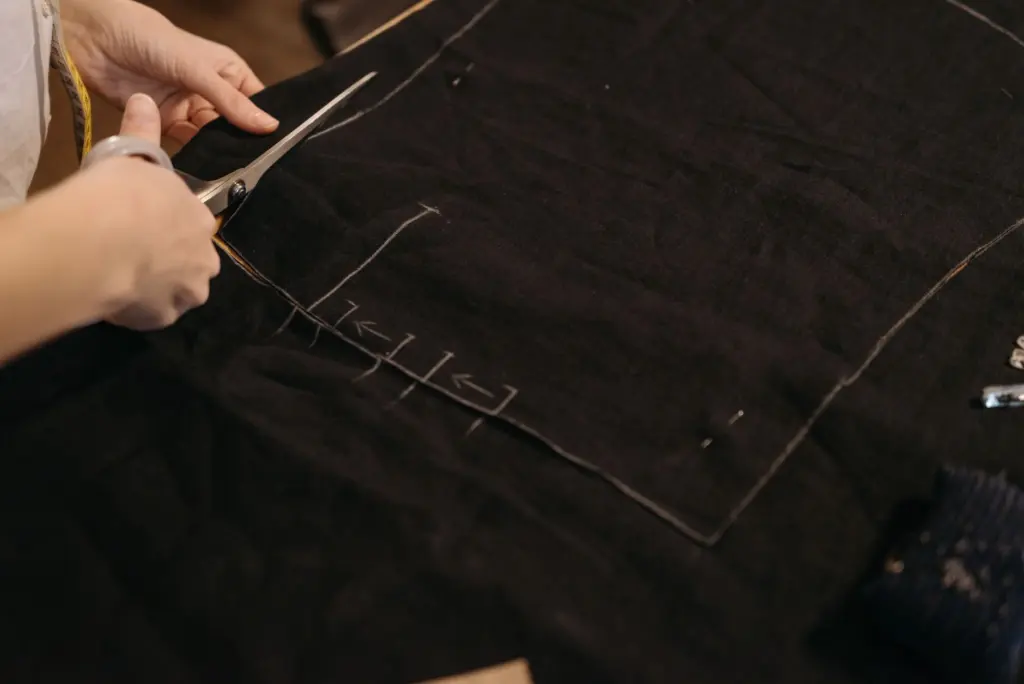
Preparing the shirt
The pattern suggests cleaning the shirt before use. You can sterilize it by boiling it, drying it at a temperature of at least 104°F, or using a hot iron. Pick whichever method suits the fabric and your equipment.
- Suits you if you have a heavyweight cotton shirt and want a mask with no hardware, elastic or thread.
- Wait or choose something else if the shirt is thin or a synthetic blend. The guidance prefers cotton and warns against synthetic fabric, so a bandana may serve you better.
- Need another size? The pattern gives an adult medium only. A face mask pattern guide covers sizing and drafting for other faces.
Strips for ties and ear loops
If your design needs fastenings, an old shirt can supply them. A public radio report on the CDC advice notes that old T-shirts work well for knit strips used as ear loops. That means one worn-out shirt can provide both the mask body and its fastenings, with no shop-bought elastic.
If you only have a bandana
A bandana is the quickest fallback when no spare shirt is around. The same public radio report says you can use a tightly fitting bandana if you cannot sew, and the CDC summary lists a cotton bandana among household materials.
Folding a bandana in layers
Coos Health & Wellness lists multiple layers of fabric among the features of a cloth covering. A single thickness of bandana therefore falls short of that standard. Fold the cloth over itself until several layers sit across the nose and mouth, then secure it so it stays snug.
Choosing a bandana over a shirt
- Pick the bandana when it is already cotton and you can fold it to fit tightly. It needs no cutting at all.
- Pick the shirt when you want published dimensions to follow, or when you also need strips for ear loops.
- Skip it if the bandana is a shiny synthetic. The guidance favours cotton and tells makers to avoid polyester.
If you want a filter layer
Coffee filter pockets
The CDC summary notes that some patterns allow a pocket to insert a cut coffee filter or vacuum bag filter. The no-sew T-shirt design above can also accommodate a filter, so a coffee filter can be added if you choose.
Treat a filter as an optional extra, not a replacement for good fabric and a snug fit. The supplied guidance describes a filter pocket as a feature of certain patterns and gives no performance figures for coffee filters, so avoid expecting more from one than a simple added layer. If a pocket matters to you, how to make a fabric face mask shows the sewn route, where a pocket is easier to build in.
If the fabric is the question
Old T-shirt or quilting cotton
The no-sew pattern can be made from an old T-shirt, which is knit cotton, or from quilting cotton, which is woven cotton. For woven cotton, it recommends cutting at a 45° angle so the piece is cut on the bias, which gives it some stretch.
The CDC summary says a tight cotton weave is best for homemade masks. A thick, dense cotton shirt or a tightly woven bandana therefore makes a better choice than a thin, loose fabric.
Fabrics to leave out
Avoid synthetic or polyester fabric, according to the same CDC summary. This rules out many sports shirts and shiny scarves. If you cannot confirm the fibre content, look at the care label before cutting.
Who should wear one, and what it will not do
Ages and settings
The CDC recommendation, issued on April 3, 2020, asks everyone age 2 and older to wear a cloth face covering in public where distancing of 6 ft is hard to keep, such as in pharmacies or grocery stores, as summarised here. Coverings should not be placed on young children under age 2. A homemade mask is therefore an adult and older-child item, and it suits short trips where keeping your distance is difficult.
Is a bandana mask effective?
A bandana or T-shirt mask gives limited protection, mostly to people around the wearer. The public radio report says these masks will not protect you from getting COVID-19, but they could keep you from spreading it. Coos Health & Wellness describes cloth coverings as an additional, voluntary public health measure, and says 6-foot distancing remains important. The CDC summary adds that the recommendation does not take the place of staying home.
Because this guidance dates from 2020, check your local public health agency for the current advice before relying on any homemade mask.
Frequently asked questions
| Question | Answer |
|---|---|
| How do I wash a no-sew mask? | The CDC summary says masks can be washed in hot water, the same way you wash clothes. Coos Health & Wellness adds that a covering should survive laundering and machine drying without damage or change to shape, so choose a fabric that can take it. |
| Should I use an N95 or surgical mask instead? | No. The CDC summary says N-95 and surgical masks should be reserved for healthcare workers, which is why household cloth options are recommended for the public. |
| How snug should it be? | It should fit snugly but comfortably against the side of the face and allow you to breathe without restriction, according to Coos Health & Wellness. If breathing feels restricted, loosen it or use fewer layers. |