To learn how to crochet a face mask, use tight single crochet in cotton yarn, then add a fabric liner. Open stitches leave gaps, so the liner is the fix. Finished masks are cloth coverings, not tested protection.
If you also sew, how to make a face mask at home compares the main approaches, and how to make a fabric face mask covers the sewn version that suits the liner.
What you need before you start
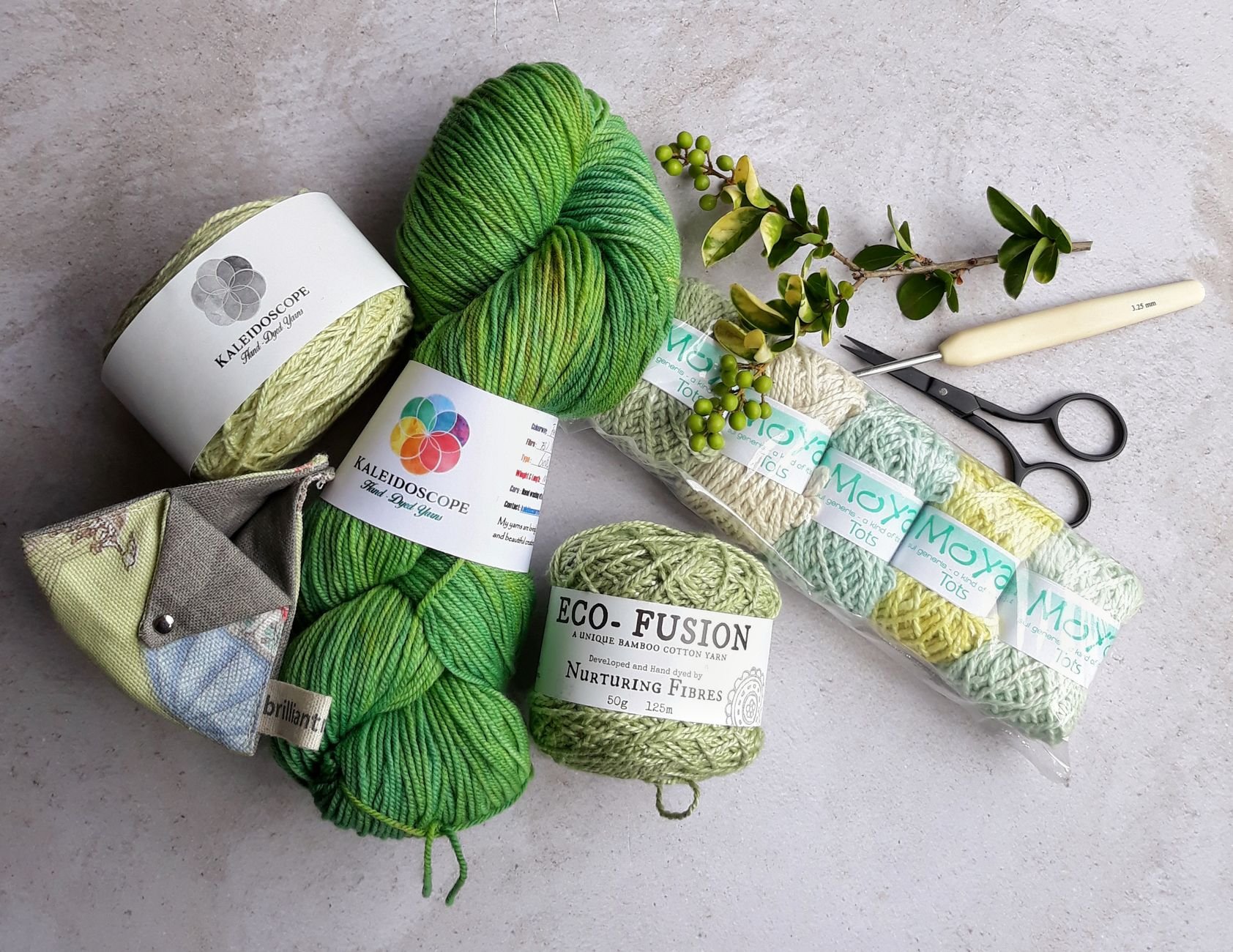
- Cotton yarn. Choose 100% cotton. The Traverse Bay pattern uses it and says a little less than a 2.5 oz skein yields one adult and one child mask. Another designer notes that 100% cotton can be washed on high heat, which is a practical reason to prefer it for something worn against the face (Bella Coco Crochet).
- A crochet hook. Hook size follows yarn weight. Lovable Loops pairs worsted weight (#4) yarn with a D-3 (3.25 mm) hook, while Crafting Happiness uses a 2.5 mm hook with 50 g balls of cotton. A thinner yarn and smaller hook give a tighter fabric.
- Liner fabric. Plain cotton material cut to size, as in the Adele Uyan pattern, which uses cotton as a lining.
- Finishing tools. Scissors, a yarn needle and needle and thread for the liner. Bendable wire and hot glue are optional for a nose fit.
Expect a quick project. One designer describes a mask you can make in under an hour, and another says the masks work up very quickly.
Making the mask step by step
Step 1: Choose yarn and hook
Pick one pattern as your base and match its yarn weight and hook. A thin cotton with a small hook suits a dense panel. Adele Uyan’s pattern instead holds two strands of double knit yarn together and uses a 4 mm, 6 mm or 6.5 mm hook depending on size. Do not mix one designer’s stitch counts with another designer’s yarn.
Step 2: Check your gauge
Work a small swatch in single crochet before committing. Traverse Bay gives a gauge of 13 sc by 14 rows to a 4 in square. Lovable Loops gives 17 sc to 3 inches (7.6 cm). Crafting Happiness says its gauge is not critical, but any pattern’s finished size will shift with yarn and tension. If your swatch is looser than the stated gauge, drop a hook size, since a looser fabric also leaves larger gaps.
Step 3: Chain and work the panel
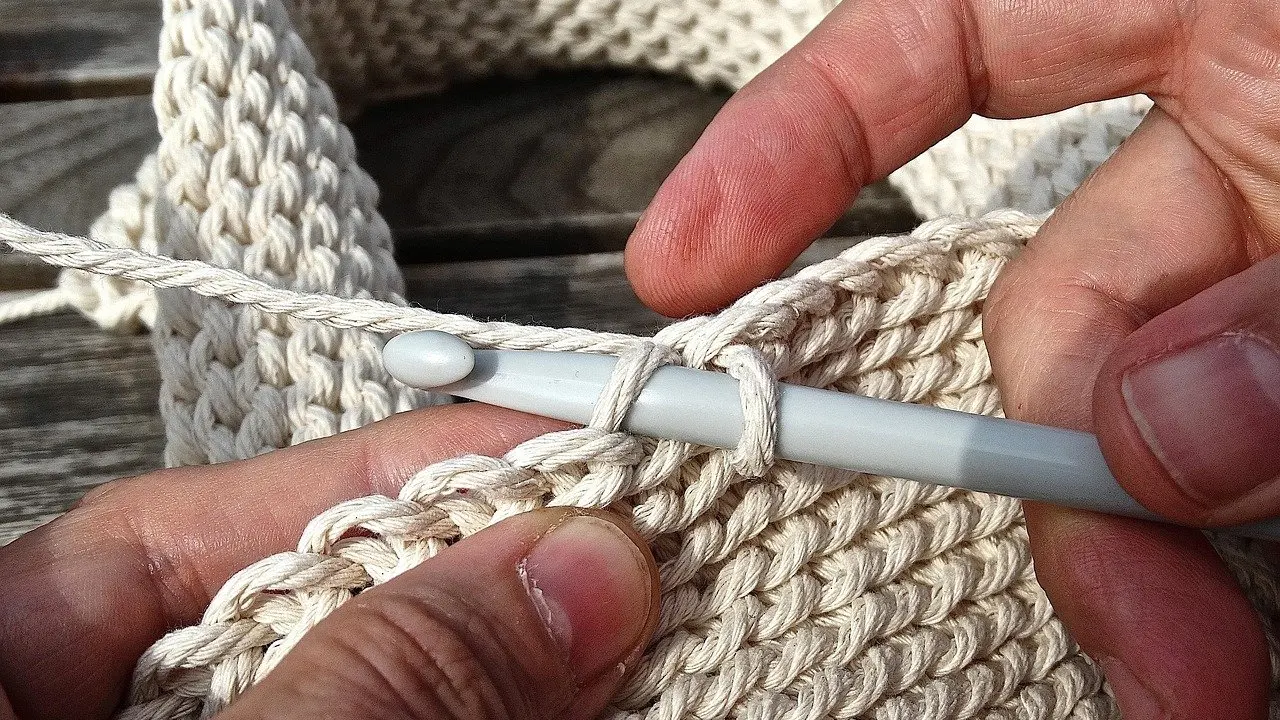
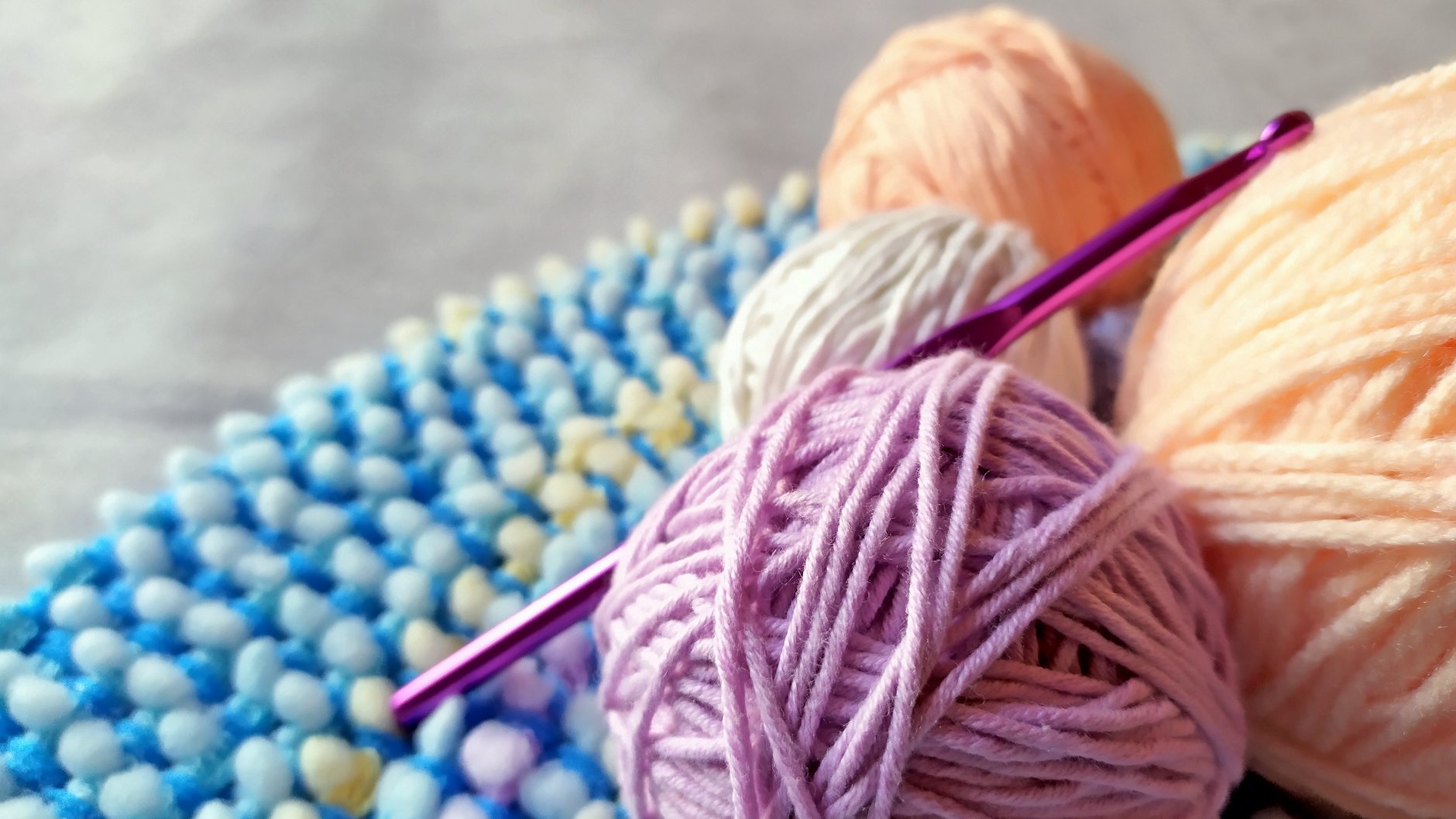
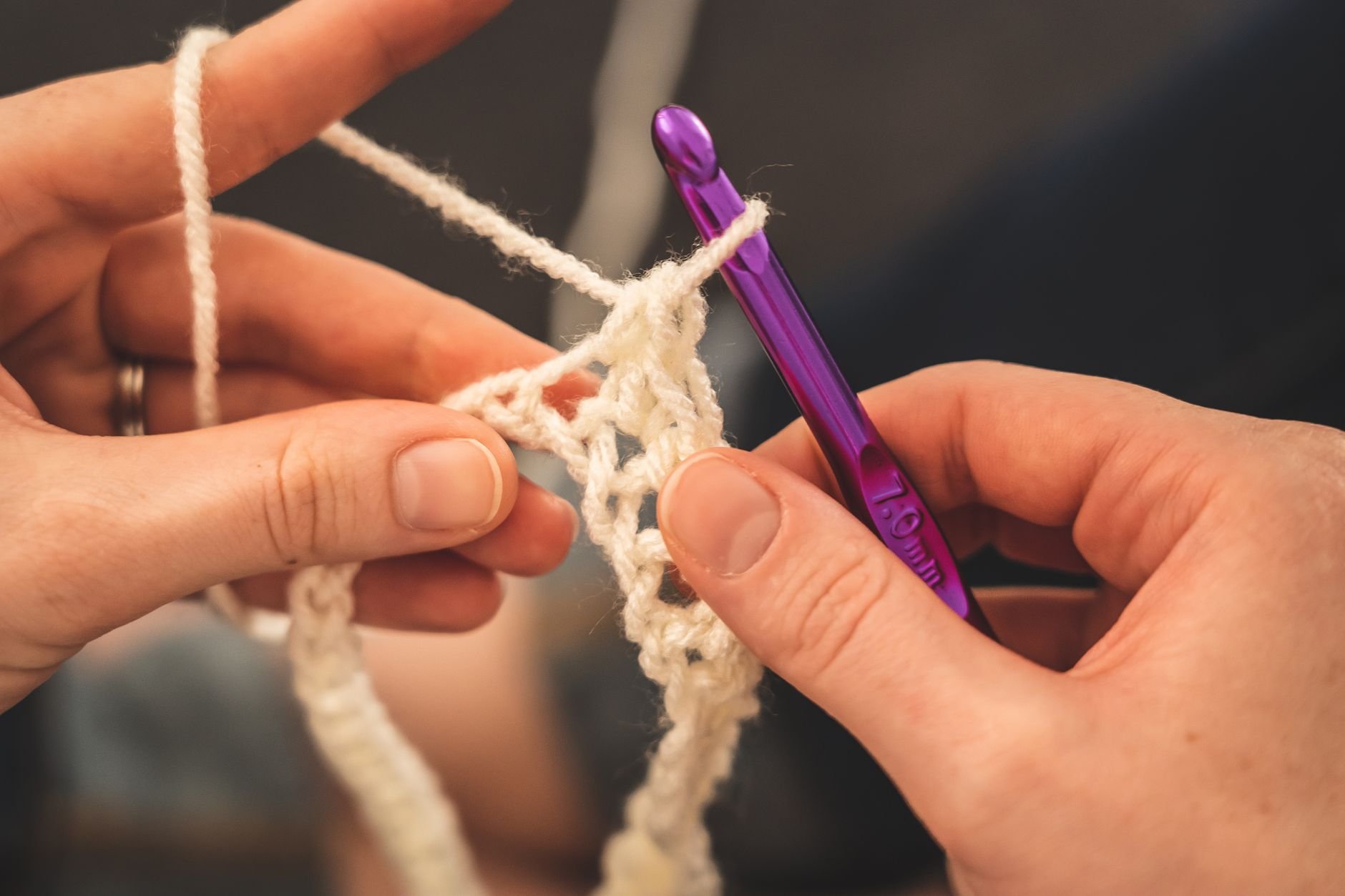
The Traverse Bay adult mask starts with a chain of 32 and is worked to 12 rows of single and half double crochet, using back-loop-only rows for texture. Lovable Loops works flat in 19 rows of single crochet and half double crochet with similar texture. Keep your tension even and stitches snug. Gaps between stitches are the main weakness of a crocheted panel.
Step 4: Add the fabric liner
Cut cotton cloth slightly larger than the panel. Traverse Bay’s cut sizes are 10 in by 7 in for adults and 8 in by 5 in for children, against a finished adult panel of about 10 in wide by 5 in tall. Sew it to the inside. The designer warns that tea towels are harder to breathe through when worn all day and suggests lighter pillowcase-type fabric instead. Crafting Happiness takes a different route, building an inside pocket so a filter can be inserted and changed after each use.
Step 5: Attach ear loops and a nose wire
For the ear loops, Traverse Bay continues with a chain of 12 at each end on the adult size and 10 on the child size, then slip stitches back. Lovable Loops adds two 40-chain ear loops, which are longer and easier to adjust. For a nose fit, Traverse Bay hot-glues bendable wire, 4 in for adults and 3 in for children, on the outside top centre. If you plan to wear the mask on a cord when not in use, how to make a mask lanyard is a useful next project.
Step 6: Weave in ends and check the fit
Weave in every end, then hold the mask to the light. Daylight showing evenly through the yarn side means the liner and stitches are doing their work together. Finished measurements vary with yarn choice and tension, so adjust loop length for your face rather than matching a number.
The limits of open stitches
A crocheted fabric is a loose structure, and the designers say so. Lovable Loops states its mask is not designed or tested to protect against viruses, bacteria or airborne particles. Crafting Happiness says a face mask will not protect you from viruses, and that staying home and washing your hands often does. Treat the finished piece as a cloth covering. If you need a covering for a health setting, follow your local public health agency’s current guidance rather than a craft pattern.
That is why the liner matters. It closes gaps between stitches and gives a smoother surface against the skin. Choose a breathable cotton, not a thick towel, since comfort decides whether the mask actually gets worn. A filter pocket is the better choice if you want to swap the inner layer after each use.
Final checkpoints
| Checkpoint | Value | Planning use |
|---|---|---|
| Adult panel size (Traverse Bay) | About 10 in wide by 5 in tall, excluding ears | Measure your finished panel against this before adding the liner. |
| Adult liner cut | 10 in by 7 in | Cut the cloth larger than the panel so it can be folded and sewn in. |
| Smaller pattern size (Lovable Loops) | About 6 in wide by 4.5 in tall, excluding ears | Choose this style if you prefer a compact panel. |
| Ear loops | Chain of 12 (Traverse Bay adult); 40-chain loops (Lovable Loops) | Pick the loop length that suits your pattern and adjust for comfort. |
Figures come from the Traverse Bay and Lovable Loops patterns, which are separate designs and should not be mixed.
Frequently asked questions
How do I crochet a face mask?
Work a flat panel in single crochet from a starting chain, add chain ear loops at each end, then sew in a cotton liner. The steps above follow published patterns.
What yarn is best for a mask?
100% cotton in a weight that matches your pattern. It can be washed on high heat, and the patterns above use cotton in worsted or finer weights.
Does a crochet mask need a liner?
A liner is advisable because open stitches leave gaps. Designers state crochet masks are not tested against viruses or particles. Use a breathable cotton liner or a filter pocket.
How long does it take to crochet one?
One designer says a mask can be made in under an hour. Your time will depend on yarn, hook and experience, and the liner adds sewing time.