| Measure or setting | Value | Planning use |
|---|---|---|
| Nose-to-chin length, size XS | 6.5 cm | Smallest size in this published range; measure first, then pick |
| Size S | 7.5 cm | Next step up for a slightly longer face |
| Size M | 8.5 cm | Middle of the range; a common starting point to compare against |
| Size L | 9.5 cm | Choose when the nose-to-chin measure sits near this value |
| Size XL | 10.5 cm | Largest size in this range |
| Seam allowance in one published pattern | 1 cm (3/8 inch), included in the pattern | Do not add it a second time to that pattern |
| Seam allowance in a small-allowance pattern | 1/8 to 2/8 inch | Use only if the pattern was drawn for it |
| Finished size of one adult hybrid mask | approx. 19 cm long by 13 cm wide | A reference size when drafting your own adult shape |
| Print scale | 100% | Check against a scale gauge before cutting |
Figures come from the Dhurata Davies free pattern tutorial and the Gwen Stella Made hybrid mask tutorial.
A good face mask pattern starts with one measurement: nose tip to chin. Match it to a size, print or draft the shape at true scale, then adjust in small steps. Here is the order to work in.
If you would rather skip patterns entirely, see our guide to a no sew face mask. For the wider project, start with how to make a face mask at home.
Phase one: measure and choose a size
Pattern size depends on the face, so measure before you print anything. Dhurata Davies advises measuring from the tip of your nose to your chin, then matching the result to the size chart in the table above.
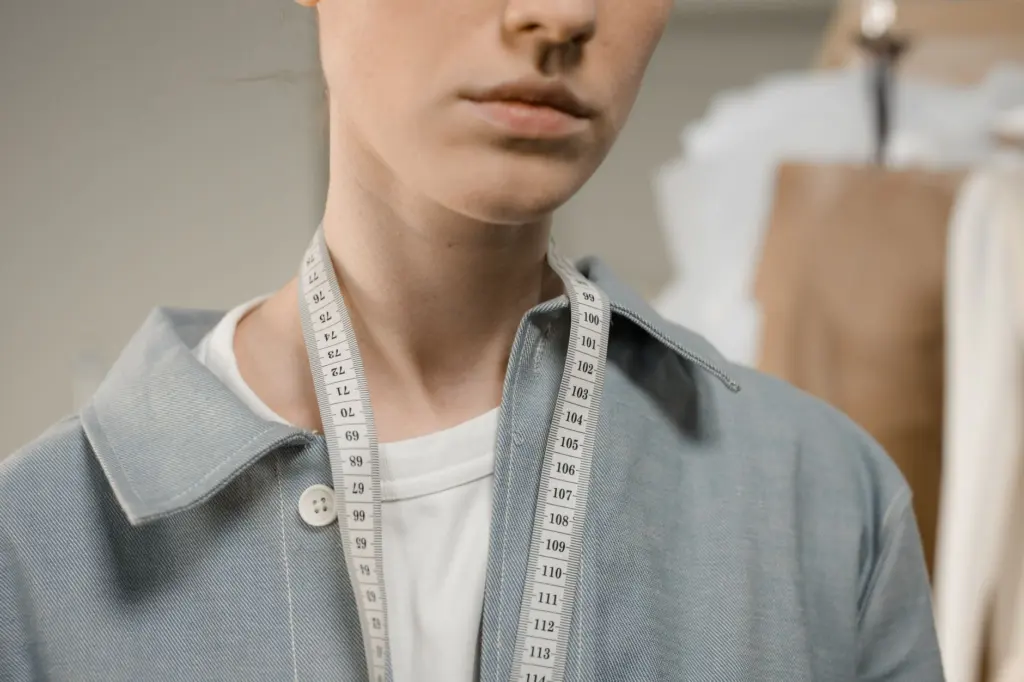
- Measure the wearer. Hold a tape or ruler from nose tip to chin and note the length.
- Match the nearest size. Choose the closest value from XS to XL rather than rounding by guesswork.
- Record it. Write the measure on the pattern so a later batch for the same person needs no remeasuring.
Adult, teen and child sizes
Published sets group sizes by age as well as by measurement. Craft Passion offers a total of 4 sizes for everyone from the age of 3 and up, covering men, women and teens, young kids and small kids. Age groups are only a guide, because faces of the same age vary.
One reposter of a pattern set found that the 6-12 yr size was a better fit for a 5-year-old than the 3-5 yr size. Treat that as a reminder: when a child falls between groups, the nose-to-chin measure should decide, and a quick paper test against the face is cheap.
Phase two: get a free pattern or draft your own
You can download a free face mask pattern or draw one. Downloads are quicker, and drafting gives you control when no published size suits the wearer.
Where free patterns are published
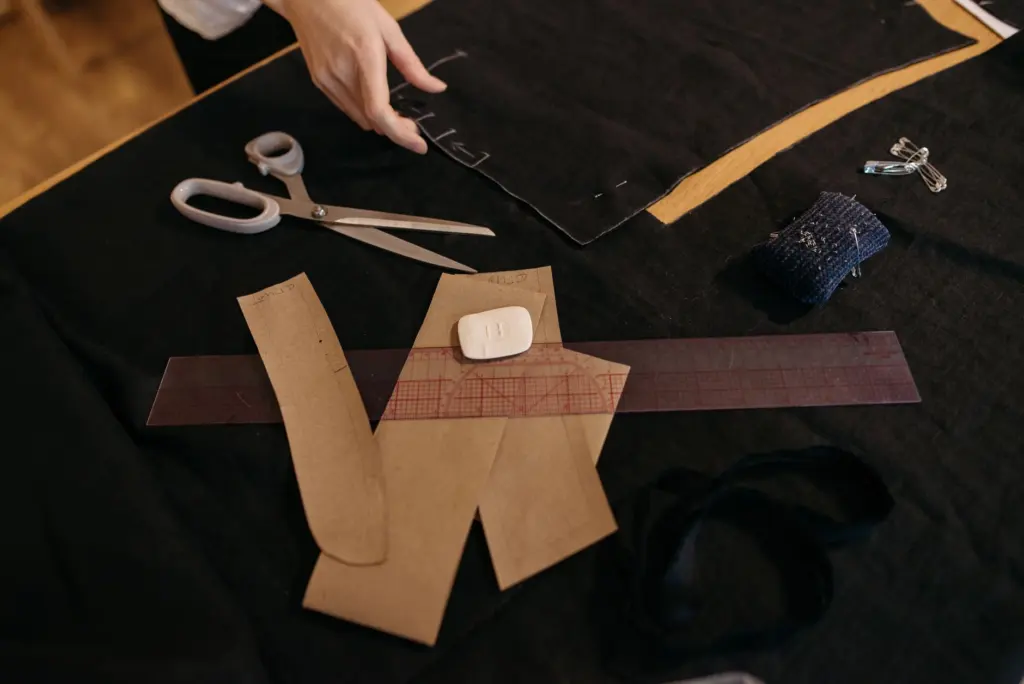
Several designers share patterns at no charge. Dhurata Davies lets you download the free pattern as a PDF. Gwen Stella shares a free Hybrid Fabric Mask pattern and photo tutorial. Craft Passion links printable face mask patterns from its sewing page.
Whichever you pick, print at 100% scale and check the result against the square gauge, as the hybrid mask designer instructs. A reposted pattern set gives the same warning: check your scale when you print it out. A shrunk printout gives a mask too small to wear.
Drafting from scratch
Drafting works best from a known good shape. Use the finished size of a proven adult design, approx. 19 cm long and 13 cm wide for the hybrid mask, as a starting outline, then adapt it to your own nose-to-chin measure.
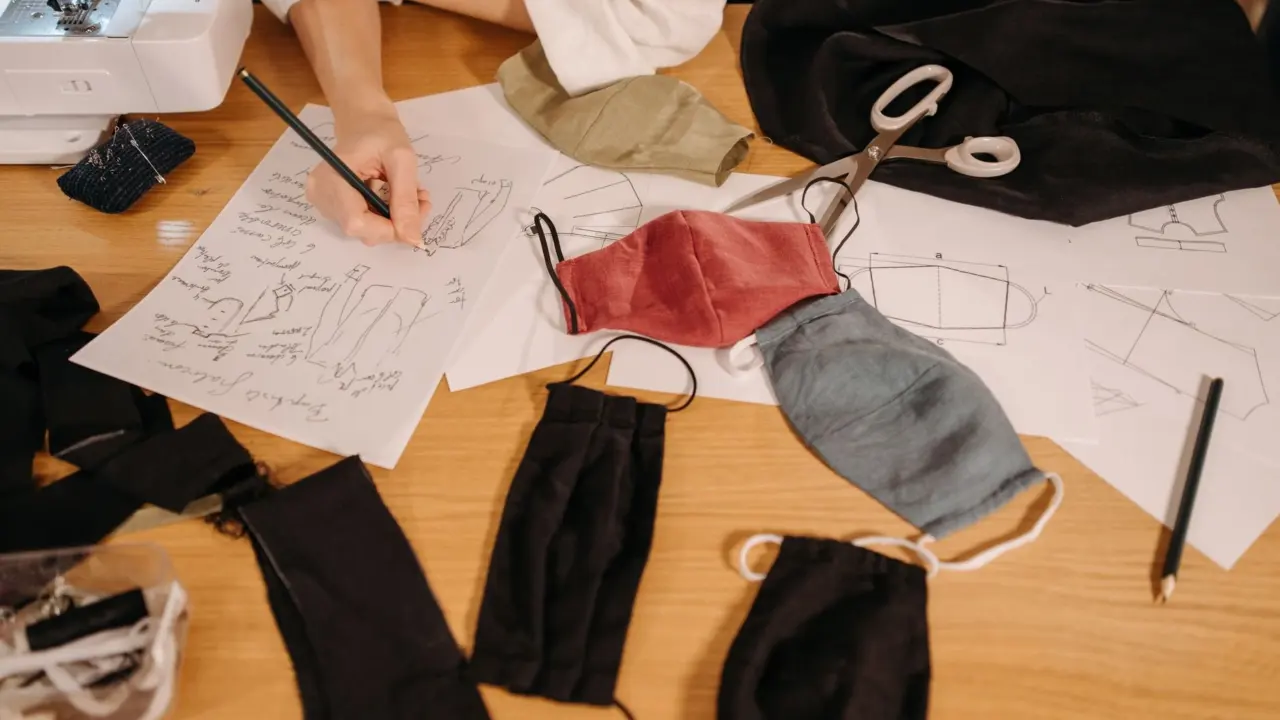
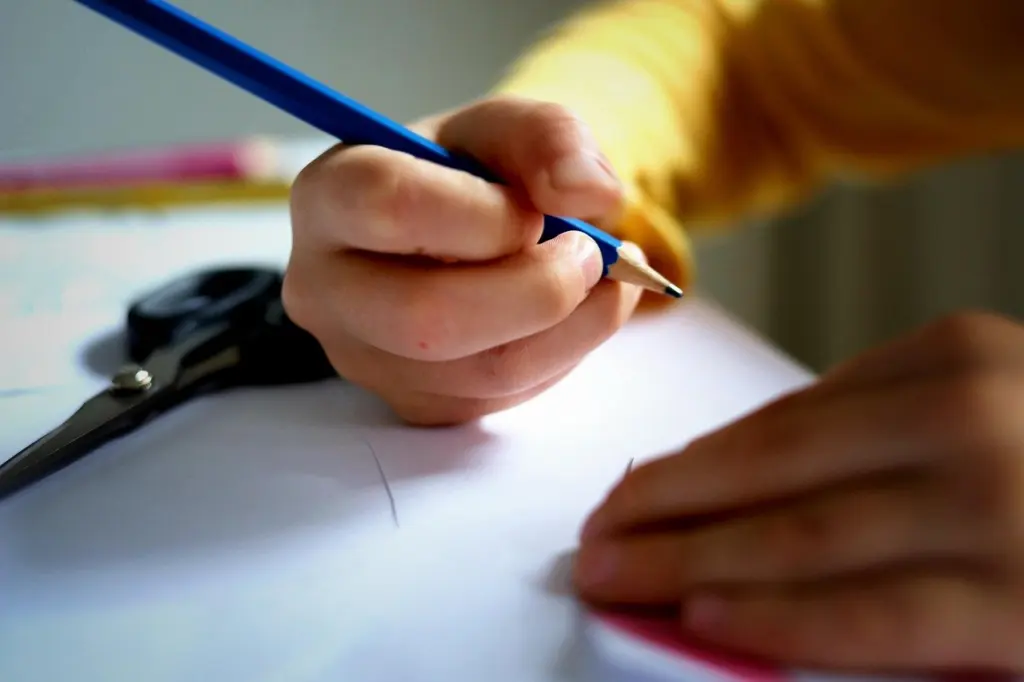
- Draw the outline. Sketch a curved rectangle on paper at the chosen size, rounding the cheek edge so it follows the face.
- Compare to the face. Hold the paper shape up and check that it spans nose bridge to under the chin.
- Decide the seam allowance. Either draw it into the outline or add it when cutting fabric, but never both.
- Cut and keep. Cut the paper out and store it flat as your master.
Phase three: scale the pattern up or down
Resizing a paper pattern is simpler than redrawing it. The slash method, described by Gwen Stella, has you cut the pattern length-wise in half, and then width-wise in 3 parts. You then move the pieces apart or together.
- To size down: overlap the cut pieces a little and tape them, then redraw a smooth outline.
- To size up: spread the pieces apart, tape them to a backing sheet and fill in the gaps with a smooth curve.
- Keep changes small. The designer strongly suggests small changes unless you are making a radical size change, such as for a preschooler. Large shifts distort the curves, so for a very small child start from a pattern drawn for that age group.
After any change, remeasure the paper pattern against the wearer’s nose-to-chin length from phase one before cutting fabric.
Phase four: cut the fabric
Cutting is where seam allowance matters most. Allowances differ by design: one pattern includes a seam allowance of 1 cm (3/8 of an inch), while the hybrid pattern uses a very small seam allowance of 1/8″ to 2/8″. If your pattern has no allowance drawn in, remember to add seam allowance to the cut edges, as the reposted pattern set advises.
- Pin the pattern. Lay the paper on the fabric and pin it flat.
- Fold for symmetry. Fold each fabric piece in half with right sides facing and cut one of each layer on the fold, as Dhurata Davies describes.
- Cut both layers. From the hybrid template, cut 1 for the main body and 1 for the lining.
Fabric choice changes how a mask feels and performs, so read our guide to the best fabric for face mask projects before you cut.
Troubleshooting a pattern that does not fit
- Mask is too small. The printout was probably under 100%. Reprint and check the scale gauge.
- Mask sits between two sizes. Go by the nose-to-chin measure, and use the slash method for a small adjustment.
- Finished size is smaller than expected. The seam allowance may have been taken twice. Check whether the pattern already includes it.
- Child’s mask gaps or overlaps. Try the neighbouring age size, as the 5-year-old example shows.
Frequently asked questions
Where can I get a free mask pattern?
Designer sites publish them, including Dhurata Davies, Gwen Stella Made and Craft Passion, all linked above. Print at full scale.
What size should a mask pattern be?
It depends on the wearer. Measure nose tip to chin and match it to a size; the chart runs from 6.5 cm for XS to 10.5 cm for XL.
How do I draft my own pattern?
Start from a proven finished size, draw the outline on paper, test it on the face, decide where the seam allowance goes, then cut it out as a master.
Can I make a child mask by shrinking an adult pattern?
Only a little. Small overlaps work, but for a radically smaller size use a pattern drawn for that age.