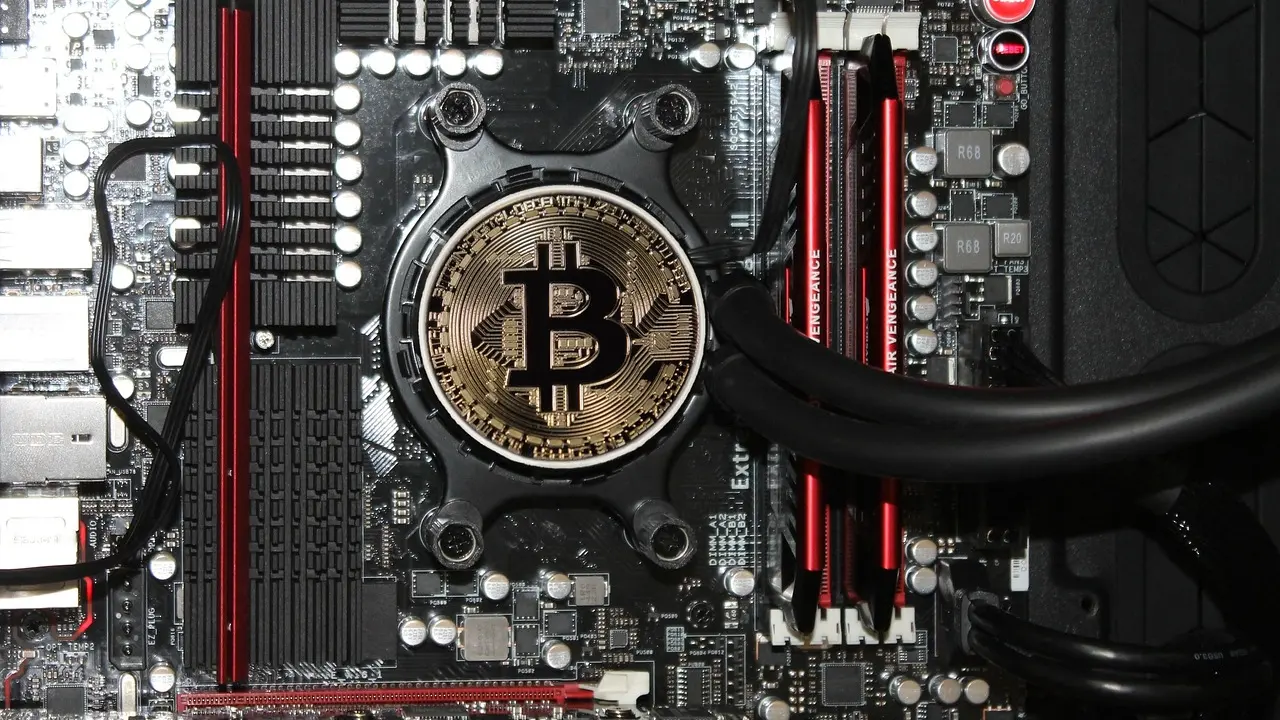
“crypto programgeeks” points to the crypto section of ProgramGeeks, a multi-topic blog. The section lists posts on payment gateways, custody services, decentralized exchanges and Web3 wallets. This roundup groups what the site shows and explains how to read it.
| Question | Answer |
|---|---|
| What is it? | The crypto section of a multi-topic content blog |
| Who is named as the team? | Doreen Achen and Nadine Schreiber, who is listed for social media and crypto |
| Main crypto themes | Payment gateways, custody, decentralized exchanges, Web3 wallets |
| Blockchain post listed? | Yes, a 2026 post on learning and building on Web3 |
| Other topics on the site | Hosting, social media, software, games |
| Best suited to | Readers who want general background, not craft advice |
What programgeeks is, in brief
ProgramGeeks is a content blog at programgeeks.net that covers many subjects. Its About Us page calls it a “one-stop hub” for hosting, social media news, crypto, and software and games. The home page lists posts from each of those areas, plus Editor’s Picks and a Latest from Programgeeks feed.
The About Us page names Doreen Achen, for hosting and software, and Nadine Schreiber, for social media and crypto. It gives no company name, address or contact details, so the owner of the site is unknown. Treat it as an independent blog rather than an institution.
For a reader who arrived from a craft site, the useful framing is simple. This is a general technology blog with a crypto corner, and the corner is only one of several. The sections sit side by side on the home page, so a reader can move from a wallet post to a hosting checklist in a click.
How the crypto programgeeks section is organised
The crypto section is one of four main areas on the site. People reach it with searches such as “crypto programgeeks” and “programgeeks blockchain”, and both lead to the same crypto material.

The listed topics are practical and infrastructure-minded rather than purely price-driven. They cover payment gateways, custody services, decentralized exchanges and Web3 wallets. Each topic suits readers who want to understand how digital assets are held, moved or accepted.
The other main areas are hosting, social media, and software and games. The hosting posts include guides on comparing prices and renewal rates, a checklist for new site owners and a migration walkthrough. Those sit apart from the crypto posts, so the section can be read on its own without the rest.
Posts grouped by theme
The crypto-related items fall into a few themes. Grouping them helps a reader decide what is worth opening.
- Payments: posts on payment gateways, relevant to anyone taking or sending crypto payments.
- Storage: custody services and Web3 wallets, which concern who controls access to funds.
- Trading venues: decentralized exchanges.
- Market outlook: a recent item titled “Bitcoin Peaked at $126,000. Blockforia on Where It Could Go in 2027.”
- Trading side topics: some posts touch on forex signals and prop trading firms.
Outlook pieces are opinion by nature. Read any forecast as one view, not as a fact. A headline figure tells you what a writer claims happened, and you can check it against an independent price record before you rely on it.
The programgeeks blockchain post
The archive lists a post titled “ProgramGeeks Blockchain: How This Platform Simplifies Learning And Building On Web3 In 2026”. Its title frames the subject as learning and building on Web3, a developer-leaning angle compared with the wallet and gateway posts.

The title also says “this platform”, which reads oddly for a blog that presents itself as a content hub. A reader should check what the article actually describes before assuming any product exists behind it.
A sensible way to read a title like this is to split it into claim and evidence. The claim is that something simplifies learning and building. The evidence would be concrete steps, named tools or worked examples. If the body offers only general praise, treat the title as a headline, not as proof of a service.
What this means for a creative hobbyist
For readers of a craft site, crypto matters in narrow ways. Makers who sell masks, sewn goods or art online may meet payment gateways and wallets when a buyer asks about paying in crypto. The payment and custody posts are the relevant ones here.
Nothing in the site’s listed material shows a link to sewing, masks or arts and crafts. Use it as general background on digital payments, not as craft guidance. Money decisions deserve a professional’s advice, and this article offers general information only.
A small seller can also ask practical questions before accepting any new payment method. Who holds the funds while a sale settles? What fees apply on each side? How are refunds handled? Posts on gateways and custody may help frame those questions, though the answers depend on the provider and the rules where you live.
A checklist for judging a mixed-topic blog
A blog that mixes many subjects needs each page judged on its own. ProgramGeeks mixes many unrelated topics, and some titles use odd brand variants such as “ProGeekFlow”, “Progeekcrush” and “Progookflow”, plus an address-style post that looks unrelated.
- Check the author: see whether the byline matches the named team or a different writer.
- Look for sources: reliable crypto posts name where numbers come from.
- Compare prices: verify any figure against an independent market tracker.
- Watch for promotion: note any push toward a signal service or trading firm.
- Test the name: be wary of near-identical spellings of the brand.
- Check the date: crypto advice ages fast, so prefer recent posts and treat old ones as history.
Who the section suits, and who should look elsewhere
The crypto section suits readers who want plain topic overviews of payments, wallets and exchanges. It also suits those who like to skim a variety of tech subjects in one place.
Look elsewhere if you need regulated financial guidance, tax rules, or verified security audits. Look elsewhere too if you want sewing, mask-making or arts and crafts help. The site’s cookie text and “Do not sell my personal information” link are standard privacy notices, so check your browser settings before reading.
Readers who only want to understand a single term, such as a wallet or a gateway, can open one post and stop there. Readers who plan to move money should treat any blog as a starting point and confirm details with the provider directly.